The Importance of Self-Care During the Holiday Season
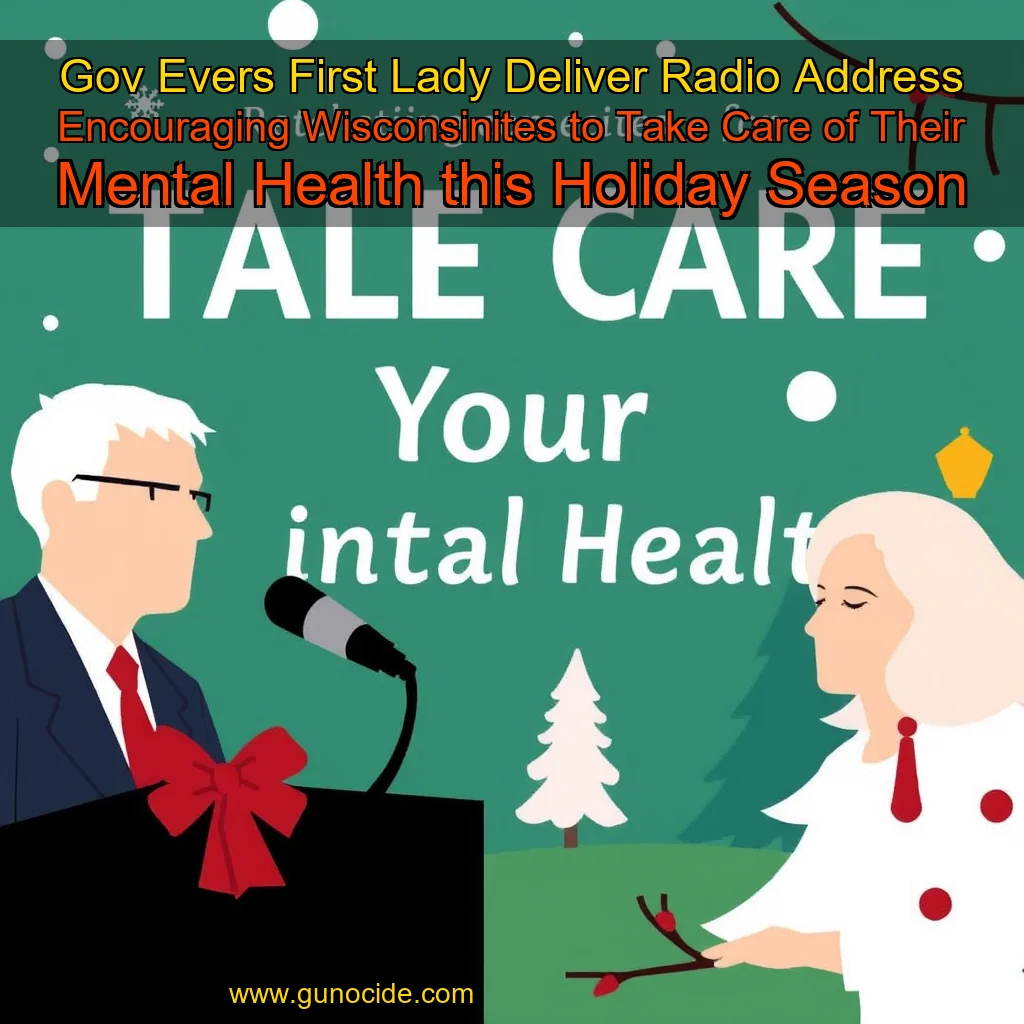
The holiday season is a time of joy, giving, and celebration, but it can also be a challenging and stressful period for many individuals. As the governor and first lady of Wisconsin, Tony Evers and Kathy Evers are emphasizing the importance of prioritizing self-care during this time of year.
The Risks of Overindulgence
The Benefits of Self-Care
If you or someone you know are in imminent danger or experiencing a medical emergency, call 911. If you are having thoughts of suicide or hurting yourself, call your county’s crisis line or 9-8-8 for the Suicide & Crisis Lifeline. Anyone in need of support can call, text, or chat the 988 Suicide & Crisis Lifeline at all hours of the day or night to talk with a trained counselor about any challenge or concern. This service is free and confidential. The 988 Suicide & Crisis Lifeline is not the only resource available to Wisconsinites during their time of need. The Wisconsin Department of Health Services (DHS) recommends a variety of strategies to help folks and families take care of their mental health during the holiday season, including:
Drinking too much can lead to sleep deprivation and negatively impact your mental health.
The Importance of Sleep and Rest
Sleep is a vital component of overall health and well-being. It plays a crucial role in physical and mental restoration, and its importance cannot be overstated. During sleep, the body repairs and regenerates tissues, builds bone and muscle, and strengthens the immune system.
211 Wisconsin is a resource for individuals, families, and communities to access information and connect with local resources.
Overview of 211 Wisconsin
What is 211 Wisconsin? 211 Wisconsin is a statewide service that provides free and confidential information and referrals to individuals, families, and communities. It is a single point of contact for accessing a wide range of local resources, including healthcare, housing, employment, education, and more. ### History of 211 Wisconsin
The 211 Wisconsin service was established in 1998 as a response to the growing need for community resources and support. Since its inception, the service has expanded to cover all 72 counties in the state, providing access to information and referrals for millions of people.
How 211 Wisconsin Works
Accessing Services
211 Wisconsin is accessible through various channels, including:
The website provides a wealth of information on various topics related to children’s mental health, including anxiety, depression, and trauma. The website also offers a range of resources and tools for parents and caregivers to support their children’s mental health.
Understanding Children’s Mental Health
Children’s mental health is a critical aspect of their overall well-being. It encompasses a range of emotional, social, and behavioral aspects that can impact their daily lives and relationships. Children’s mental health can be influenced by various factors, including their environment, family dynamics, and social interactions.
Factors Affecting Children’s Mental Health
The Importance of Mental Health Conversations
Mental health conversations are crucial in today’s society, and it’s essential to prioritize them, especially during the holiday season. The holiday season can be a challenging time for many individuals and families, and open and honest conversations about mental health can make a significant difference.
The Impact of Stigma
One of the significant barriers to mental health conversations is the stigma surrounding mental illness. Many people are hesitant to discuss their mental health struggles due to fear of being judged, labeled, or ostracized. This stigma can lead to feelings of isolation, shame, and guilt, which can exacerbate mental health issues. The stigma surrounding mental illness can be particularly damaging during the holiday season, when social pressures and expectations can be overwhelming. It’s essential to create a safe and non-judgmental space for individuals to discuss their mental health concerns. By doing so, we can help reduce the stigma surrounding mental illness and encourage more people to seek help.
The Benefits of Open Conversations
Open and honest conversations about mental health can have numerous benefits, including:
Resources Available
There are many resources available for individuals struggling with mental health issues.
Wisconsin faces challenges, but there’s hope for building resilience and strengthening communities.
Ask them how they’re doing and if they’re feeling overwhelmed. *Some examples of people you might ask include:**
Building Resilience in Wisconsin
Wisconsin, like many other states, has faced its share of challenges in recent years. The COVID-19 pandemic, economic downturns, and social unrest have all taken a toll on the state’s residents.
Take care of your body and mind. Be sure to eat a balanced diet and stay hydrated. Don’t forget to exercise regularly. Make sure you’re getting enough sleep. Get some fresh air and take breaks throughout the day. Don’t be afraid to ask for help when you need it.
The Importance of Self-Care for First Ladies
As the First Lady of the United States, you are not only a symbol of the nation’s values and traditions but also a role model for millions of women around the world. With great responsibility comes great pressure, and it’s easy to get caught up in the demands of the job. However, neglecting one’s own well-being can have serious consequences on both physical and mental health.
The Physical and Mental Health Consequences of Neglecting Self-Care
Ignoring self-care can lead to a downward spiral of physical and mental health issues.