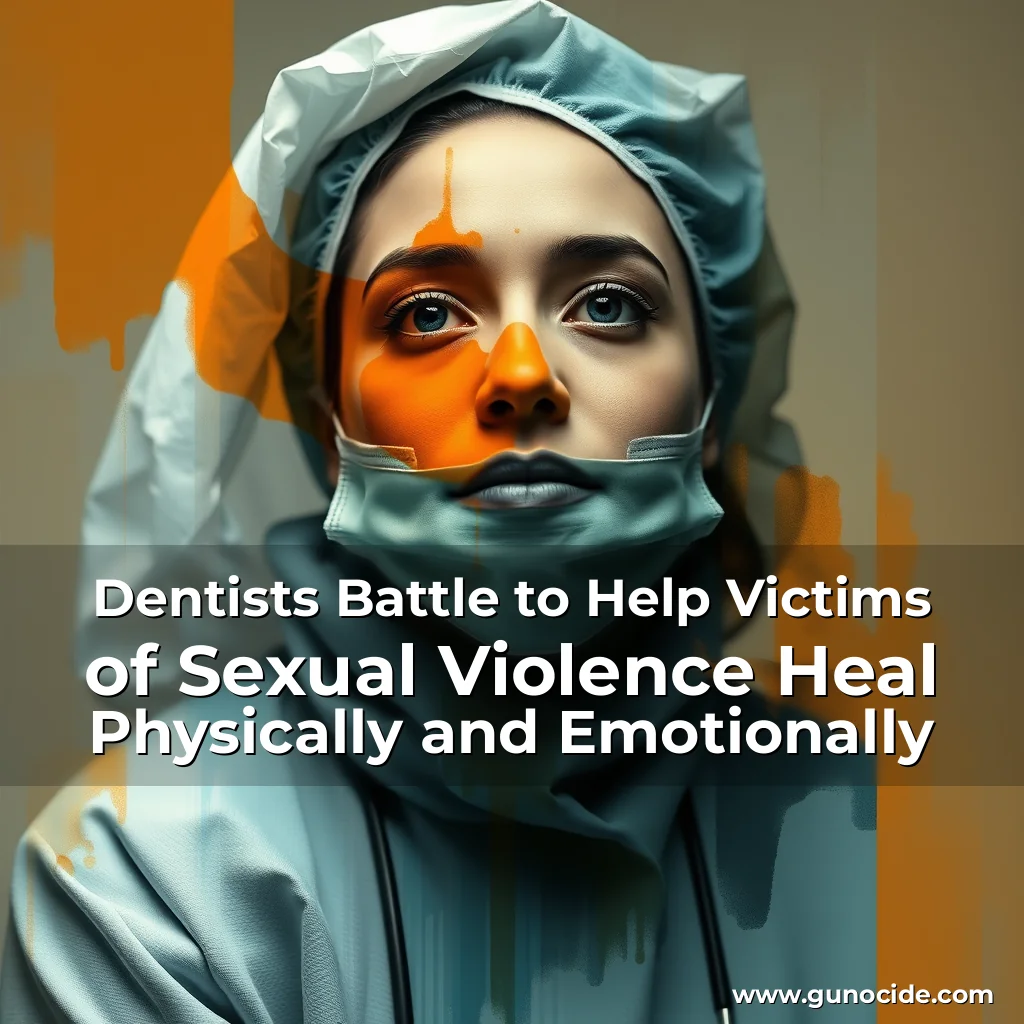
A devastating childhood experience left *Becky, a survivor of sexual violence, with a phobia of the dentist and strangers touching her mouth. Her story is far from unique, as dentists across the country struggle to provide essential dental care to victims of sexual violence, family violence, and abuse.
The Impact of Oral Injuries and Dental Anxiety on Survivors
The effects of oral injuries and dental anxiety can be profound on survivors of violence. A phobia of dentists, a fear of things near the mouth, and especially a fear of strangers touching the mouth can develop as a result of the trauma. Dentists have reported that victims of sexual violence, family violence, and abuse face major hurdles in accessing expensive and crucial dental care.
- Decay took hold of her teeth for decades after she developed a phobia of the dentist and of strangers touching her mouth as a result of the trauma.
- Dental anxiety can lead to a range of problems, including missed appointments, delayed treatment, and poor oral health.
- Victims of violence often experience a fractured relationship with their mouth, leading to difficulties with oral care and maintenance.
A Dentist’s Perspective
Dr. Avanti Karve, a dentist who offers pro bono care to patients recovering from physical abuse, has seen “a lot of crossover” between dental anxiety and violence. She explains that patients can feel vulnerable, particularly around latex, loss of control, change in power dynamic, and interference in an intimate area.
| Dental Anxiety and Violence | A significant proven dental anxiety and dental phobia that comes along with a history of domestic violence, particularly if it’s resulted in orofacial trauma. |
| Dental Trauma and Loss of Teeth | Injuries like dental trauma and loss of teeth, but you can also see fractures or underlying fractures. |
| Fractures and Nerve Damage | A lot of people then have difficulties with oral care and maintenance of the mouth, and that lack of access to regular dental care, can often result in missed early diagnosis of dental disease. |
The Role of Medicare in Providing Dental Care
The Australian Dental Association (ADA) operates a volunteer clinic, Rebuilding Smiles, to help survivors of violence access free, essential dental care. The program relies entirely on funding from the ADA, Colgate, and Straumann.
- The program is treating 87 patients and has a current waitlist of 117 people around the country.
- The Greens have launched a campaign to change Medicare’s policy on dental care, making it possible for survivors of sexual and family violence to receive dental treatment.
The Impact of Lack of Access to Dental Care
Advocates argue that the federal government has a responsibility to help survivors recover from the physical, mental, emotional, and economic impacts of violence. The lack of access to dental care can have significant consequences, including:
* Impact on Self-Esteem: Dental injuries can affect a person’s self-esteem and confidence, making it harder for them to present themselves in public. * Impact on Employment: Poor oral health can make it difficult for individuals to find or keep a job, as many employers place a high value on a person’s physical appearance. * Impact on Overall Health: Oral health is closely linked to overall physical health, and neglecting dental care can lead to a range of health problems.
A Call to Action
The National Plan to End Gender-Based Violence report highlights the importance of addressing the “physical, mental, emotional, and economic impacts of violence” in survivors. The government’s commitment to helping survivors recover from their trauma includes providing access to dental care.
“I understand that there are budget constraints, but this is a commitment they’ve made. This is a gap,”
said Annabelle Daniel, CEO of Women’s Community Shelters. The lack of access to dental care is an unfunded commitment that needs to be addressed.

news is a contributor at Gunocide. We are committed to providing well-researched, accurate, and valuable content to our readers.