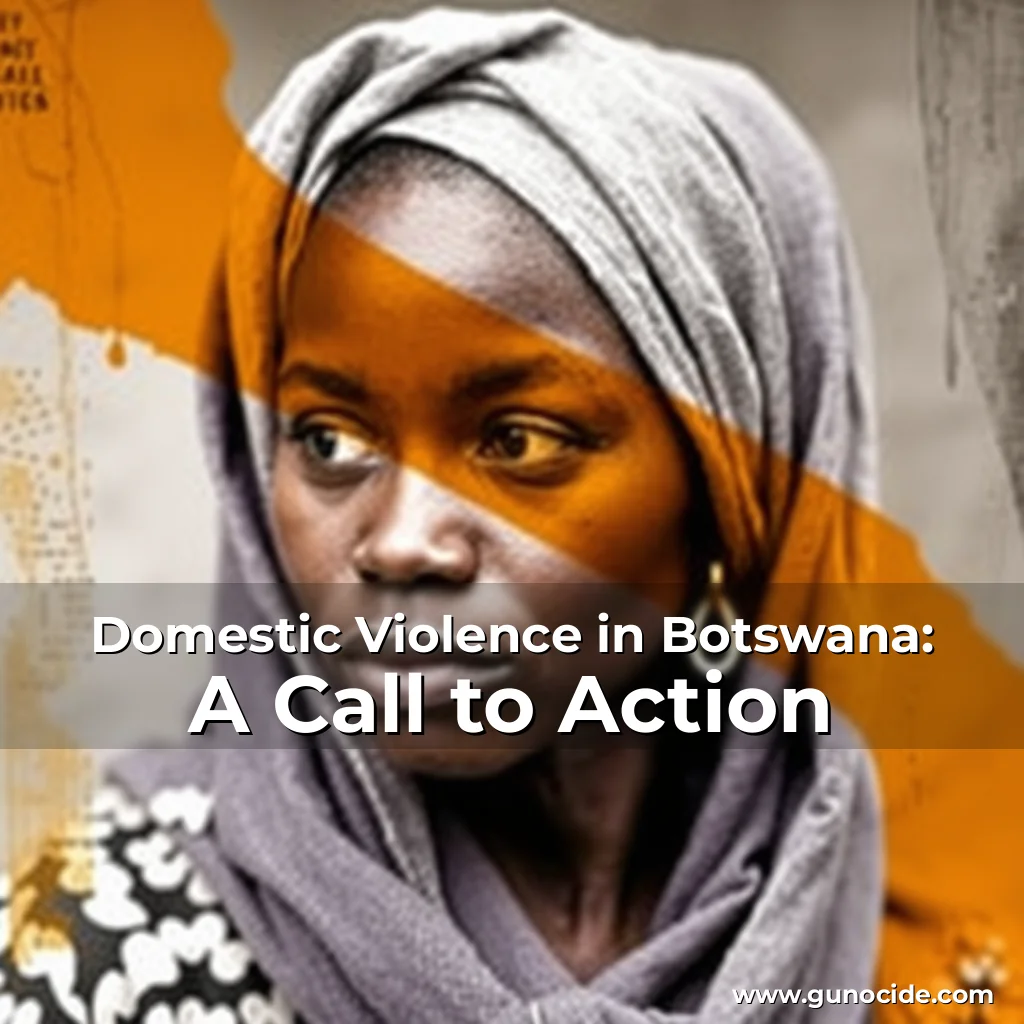
The recent kgotla meeting in Kgagodi village served as a stark reminder of the need to address domestic violence in Botswana. President Boko, who has acknowledged that Botswana is a violent nation, emphasized the importance of changing behaviour and working together to curb domestic violence. The issue of domestic violence is a significant concern in Botswana, with many families affected by it.
“Basadi ba tshabelelwa ke go dirisa mafoko a nyenyahatsang banna, mafoko a a kgobang.”
Translation: “Women are hurtful when they use hurtful words against men, and these hurtful words have led to escalating fights, some of which end in serious injuries or even death.”
President Boko highlighted the role of verbal provocation in contributing to physical violence in relationships. He noted that women may lack physical strength, but their words can sometimes be more damaging. Women often use language that belittles and emasculates men, especially during emotionally charged moments. This form of emotional abuse is frequently overlooked, but it plays a significant role in the outbreak of violence in households.
- Verbal provocation often contributes to physical violence in relationships.
- Women’s words can be more damaging than physical strength.
- Emotional abuse is often overlooked but plays a significant role in violence in households.
The President called for behaviour change, urging citizens to report incidents of domestic violence and intervene in situations before they escalate. He emphasized that early intervention is key and could prevent tragedies. The President also advised couples in toxic or failing relationships to walk away rather than stay in abusive situations. “Usually GBV occurs in secret places and we only come to be aware of it when incidents like deaths and serious fights have occurred, despite some people having witnessed it and choosing not to talk or report such incidents. It is everyone’s responsibility to help curb GBV, and I am pleading with every citizen to play a part in ending GBV by reporting such incidents when they occur,”
President Boko further pointed out that children living in environments affected by domestic violence are affected mentally and emotionally, with many under-performing in school due to the trauma they experience at home. He emphasized that the issue should be treated as a national concern and that everyone should join hands to curb GBV. “Some children are not doing well academically because of the constant fights between their parents. This issue should be treated as a national concern; let’s all join hands to curb GBV,”
The President also addressed violence between men, particularly in entertainment areas such as bars and shebeens. He expressed concern about incidents of men killing each other over trivial arguments during drunken disputes. The President emphasized the need for dialogue over violence and encouraged citizens to learn better ways of resolving conflict and managing anger.
| President Boko’s Key Messages | |
| Report incidents of domestic violence and intervene in situations before they escalate. | Early intervention is key to prevent tragedies. |
| Advise couples in toxic or failing relationships to walk away rather than stay in abusive situations. | Curb GBV as a national concern. |
In addition, the President pointed out that many GBV cases occur in romantic relationships, particularly among partners who are unwilling to let go even when the relationship is no longer working. He encouraged citizens to speak up and intervene before things get worse. The President also emphasized the need for social programmes, mental health support, and youth empowerment initiatives to address the root causes of violence. “If you see a couple constantly fighting or showing signs of abuse, speak up. We must intervene before things get worse. Moreover, if a relationship is not working, it is better to walk away because most of these GBV cases stem from lovers who can’t let go and end up hurting each other,”
The President concluded by emphasizing that national healing and peace must begin with how individuals treat and communicate with one another. He expressed concern about the shocking statistics, which paint a severe picture of a country struggling to curb violent crimes despite various crime prevention initiatives. “Re chaba e eteleditseng dikgoka le ntwa ko pele go na le go buisana.”
Translation: “Let us learn to live in harmony and peace.”
- 1,463 murder cases recorded in the past five years.
- Many murders stem from seemingly minor disputes, often fueled by alcohol consumption, love-related conflicts, and other petty issues.
- Community outreach, kgotla meetings, and social media campaigns to raise awareness and promote peaceful conflict resolution.
- Addressing root causes of violence, such as unemployment, poverty, and substance abuse, through social programmes, mental health support, and youth empowerment initiatives.
“Every citizen has a role to play in ending GBV. We must work together to create a society where violence is not accepted. Let us join hands to curb GBV and build a brighter future for our children,”
The article highlights the need for a collective effort to address domestic violence in Botswana. The President’s words serve as a call to action, urging citizens to take responsibility for their actions and to work together to prevent violence. By addressing the root causes of violence and promoting peaceful conflict resolution, citizens can help create a society where violence is not accepted and where everyone can live in harmony and peace.

news is a contributor at Gunocide. We are committed to providing well-researched, accurate, and valuable content to our readers.