The Humanitarian Crisis in Haiti
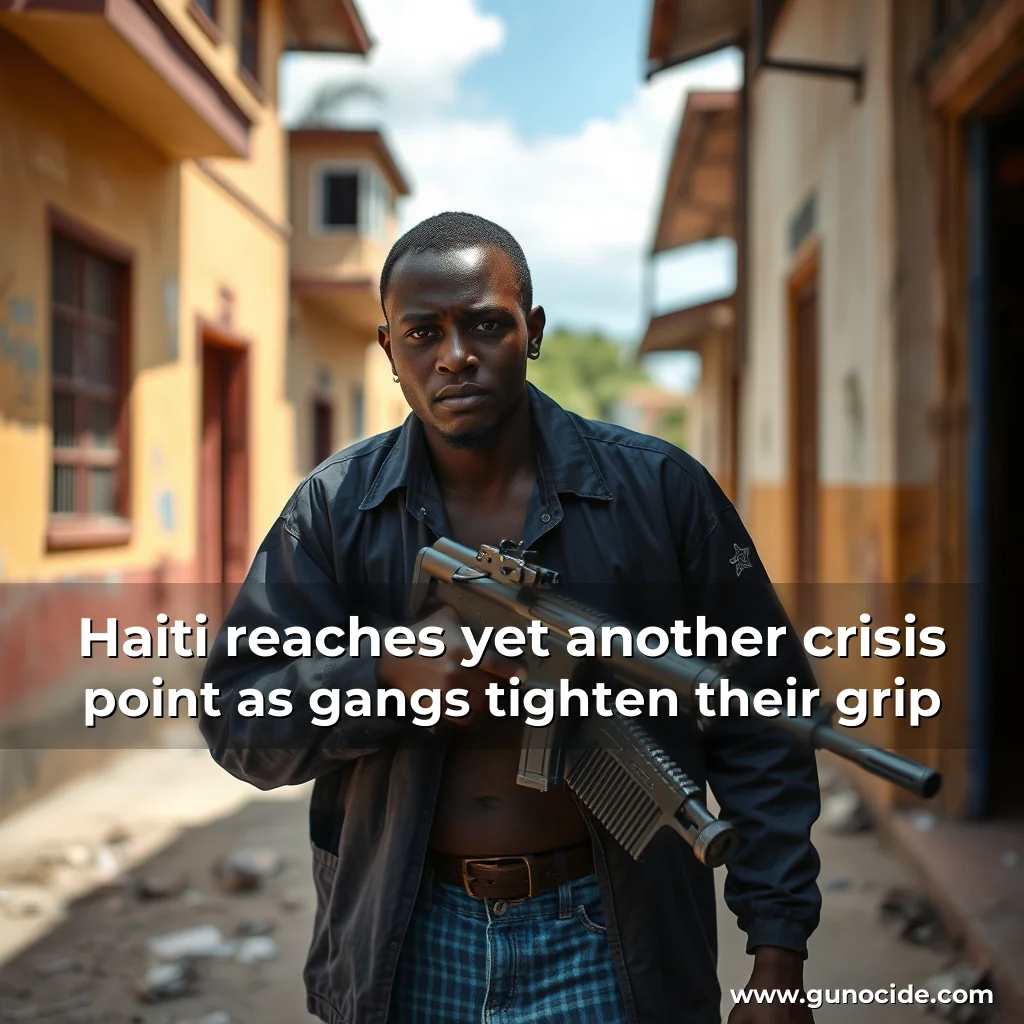
The situation in Haiti has been described as a catastrophe by the United Nations human rights chief, Michelle Bachelet.
98 per cent of victims were adults. 86 per cent of the casualties were men. 56 per cent of the victims were between 20 and 39 years old. 44 per cent of the victims were women. 75 per cent of the victims were from urban areas. The victims came from 40 different countries. 96 per cent of the casualties were civilians. 68 per cent of the victims were from the middle or upper classes. 35 per cent of the victims were students. 44 per cent of the victims were from urban areas with a population of over 1 million. 46 per cent of the victims were from areas with a population of between 100,000 and 1 million.
The Rise of Sexual Violence and Child Trafficking in Conflict Zones
Sexual violence is being used deliberately to assert control, Türk says.
The Devastating Impact of Gang Violence
Gang violence has become a pervasive issue in many communities worldwide, leaving a trail of destruction and despair in its wake. The statistics are staggering, with over 2,000 people killed or injured in law enforcement operations against gangs.
The situation is dire, with severe food shortages and lack of access to basic necessities.
5 million people face acute food insecurity
The severity of the crisis is evident in the statistics. The lack of access to basic necessities, such as food, water, and healthcare, has severe consequences for the population. The situation is further exacerbated by the ongoing conflict and economic instability in the country.
The conflict and instability in Haiti have led to a breakdown in the country’s infrastructure, making it difficult for people to access basic necessities.
The Creation of Specialised Judicial Units
Haiti has taken a significant step towards addressing its long-standing human rights issues and financial crimes by establishing two specialised judicial units. These units are designed to tackle the complex and interconnected nature of these crimes, which have plagued the country for decades. • The first unit, the National Human Rights Commission (NHRC), is responsible for investigating and prosecuting human rights violations.