to 2 p.m. on Saturday, and a vigil will be held at 7 p.m. on Friday evening.
The Exhibition: “A Community’s Grief and Resilience”
The exhibition, titled “A Community’s Grief and Resilience,” is a poignant reflection on the impact of the 2018 shooting on the community. The show features a diverse range of artworks, including paintings, photographs, and sculptures, that capture the emotions and experiences of those affected by the tragedy. The exhibition includes works by local artists, as well as national and international artists who have been inspired by the shooting. The artworks on display are a testament to the community’s resilience and ability to come together in the face of adversity. The exhibition also includes a series of personal stories and testimonials from survivors and family members of the victims.
The Community Resource Fair
The community resource fair, being held on Saturday from 11 a.m. to 2 p.m., will provide an opportunity for community members to connect with local organizations and services that can help them cope with the aftermath of the shooting. The fair will feature a variety of organizations, including mental health services, support groups, and community centers. Attendees will have the chance to learn about available resources and connect with others who have been affected by the shooting.
The Power of Art in Addressing Gun Violence
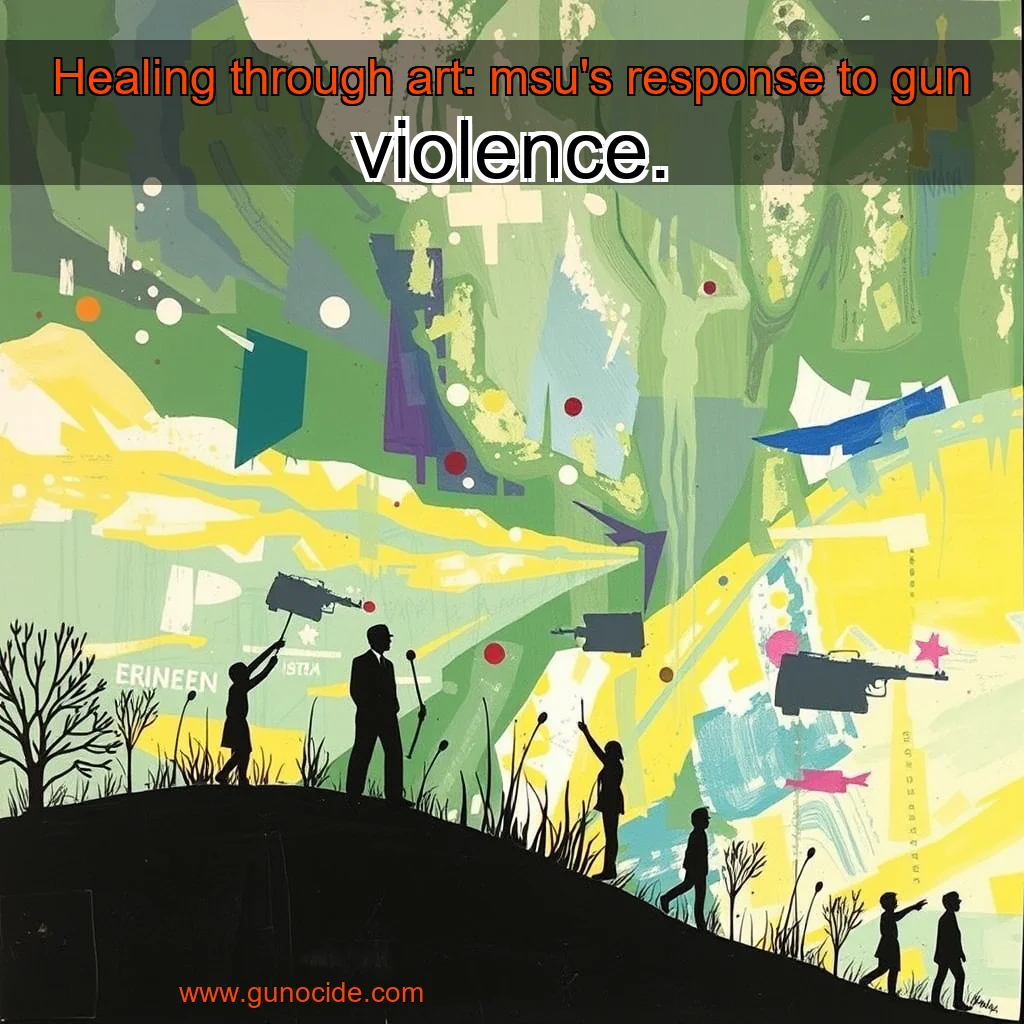
Gun violence has become a pervasive issue in the United States, claiming thousands of lives each year. In response to this crisis, the Michigan State University (MSU) has organized an exhibition featuring works created by survivors and activists.
Sparking a National Conversation on Gun Violence and Community-Led Initiatives.
The Exhibition: A Call to Action
The exhibition, titled “Gun Violence: A National Crisis,” is a powerful and thought-provoking display of art, photography, and personal stories that sheds light on the devastating impact of gun violence on American communities. Co-curated by MSU professor Scott Boehm and End Gun Violence Michigan organizer and MSU alumna Maya Manuel, the exhibition aims to spark a national conversation about the need for gun control and the importance of community-led initiatives in addressing this crisis.
The Exhibition’s Themes and Messages
The exhibition features a diverse range of artworks, including photographs, paintings, and sculptures, that explore the complexities of gun violence and its effects on individuals, families, and communities. Some of the key themes and messages that emerge from the exhibition include:
Featured Artists and Works
The exhibition features a diverse range of artists and artworks, including:
The film explores the aftermath of mass shootings in the United States, focusing on the emotional and psychological impact on survivors, families, and communities affected by these tragedies.
The Context of Gun Violence in the United States
Gun violence has become a pervasive issue in the United States, with mass shootings claiming thousands of lives and leaving countless more affected. The film “What’s Left Behind” delves into the emotional and psychological aftermath of these tragedies, providing a unique perspective on the long-term effects of gun violence on individuals and communities. The film’s creators, Cassidy Howard and Aidan Tripp, have stated that they aimed to capture the complexities of the human experience in the face of trauma, using a combination of interviews, archival footage, and personal narratives to convey the emotional toll of gun violence. The exhibition, “Art in the Aftermath: Healing Gun Violence through Artivism,” aims to provide a platform for artists to express their experiences and perspectives on gun violence, promoting healing and understanding through art.*
The Film’s Approach to Exploring Gun Violence
“What’s Left Behind” employs a non-traditional approach to storytelling, using a mix of documentary-style interviews, archival footage, and personal narratives to convey the emotional impact of gun violence.
The exhibition will explore the intersection of art and activism, highlighting the power of art to heal and transform communities affected by gun violence.
The Power of Artivism
Artivism is a form of activism that uses art as a tool for social change. It has been gaining popularity in recent years, particularly among young people who are looking for ways to engage with social issues in a creative and meaningful way. Artivism can take many forms, including visual art, music, dance, and performance art.
The exhibition will explore the intersection of art and activism, highlighting the power of art to heal and transform communities affected by gun violence.
The Intersection of Art and Activism
The exhibition “Art in the Aftermath: Healing Gun Violence through Artivism” at the Eli & Edythe Broad Art Museum will delve into the complex relationship between art and activism, showcasing the ways in which art can be a powerful tool for social change. By examining the intersection of these two disciplines, the exhibition will highlight the ways in which art can be used to raise awareness, promote empathy, and inspire action. Key themes explored in the exhibition include: + The role of art in addressing systemic inequalities + The impact of gun violence on communities and individuals + The power of art to promote social justice and human rights + The intersection of art and activism in the context of gun violence
The Healing Power of Artivism
Artivism, a term coined by artist and activist, Judy Baca, refers to the use of art as a form of activism.
The exhibition explores the intersection of art and activism, highlighting the role of art in healing and transforming communities affected by gun violence.
The Power of Artivism
Artivism is a powerful tool for social change, and the “Art in the Aftermath” exhibition showcases its potential to heal and transform communities. By combining art, activism, and community engagement, artivism can address the root causes of gun violence and promote a culture of peace and nonviolence. Key aspects of artivism include: + Using art to raise awareness about social issues + Empowering marginalized communities to take action + Fostering a sense of community and social connection + Providing a platform for marginalized voices to be heard
The Exhibition
The “Art in the Aftermath” exhibition is a unique and thought-provoking showcase of art that explores the intersection of art and activism. The exhibition features a diverse range of artworks, including paintings, sculptures, photographs, and installations, that reflect the experiences of communities affected by gun violence.
The exhibition explores the intersection of art and activism, highlighting the power of art to heal and transform communities affected by gun violence.
The Intersection of Art and Activism
The exhibition “Art in the Aftermath: Healing Gun Violence through Artivism” at the Eli & Edythe Broad Art Museum on February 7, 2025, delves into the complex relationship between art and activism. By showcasing works that address gun violence, the exhibition aims to spark conversations about the role of art in promoting social change. The exhibition features a diverse range of artworks, including paintings, sculptures, and installations, created by artists who have been directly impacted by gun violence. These artworks serve as a powerful testament to the human spirit’s ability to heal and transform in the face of adversity. The exhibition also highlights the importance of community engagement and collaboration in the healing process.
The Power of Artivism
Artivism, a term coined by artist and activist, Judy Baca, refers to the use of art as a tool for social change. The exhibition showcases the work of artists who are using art to address gun violence and promote healing in their communities. Artivism can take many forms, including public art installations, murals, and performances.
(Photo: courtesy of the artist and the Broad Art Museum)
The Power of Artivism: How Art Can Heal and Transform
In the aftermath of tragedy, art can be a powerful tool for healing and transformation. The concept of artivism, which combines art and activism, has emerged as a way to address social and political issues, including gun violence. The “Art in the Aftermath: Healing Gun Violence through Artivism” exhibition at the Eli & Edythe Broad Art Museum in Michigan showcased the work of artists who have used their craft to address this critical issue.
The Exhibition: A Platform for Artivism
The exhibition featured a diverse range of artworks, including paintings, sculptures, and installations, created by artists from around the world. The works on display were not only visually striking but also conveyed powerful messages about the impact of gun violence on individuals and communities.
Eli and Edythe Broad Art Museum on February 7, 2025. | Erick Díaz Veliz