The Situation in Zota District
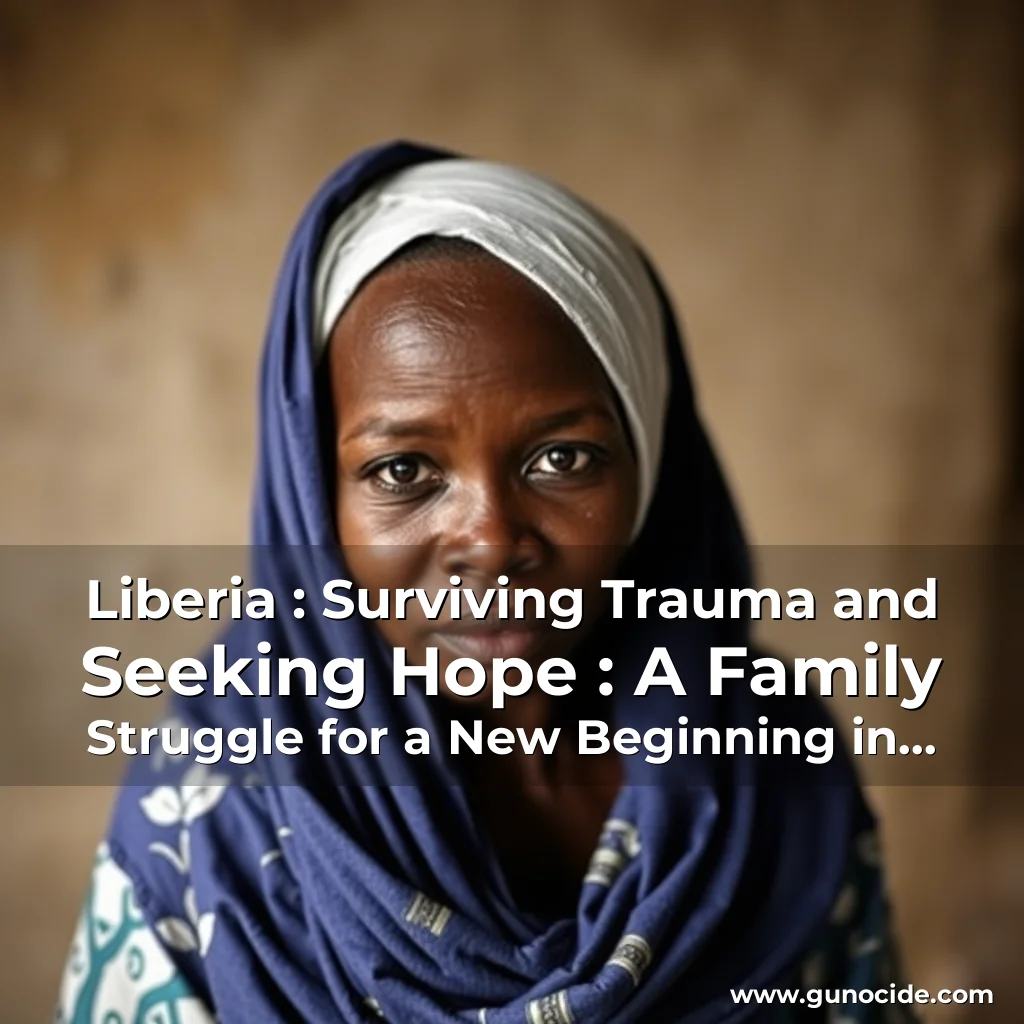
Zota District, located in Bong County, Liberia, is a rural area where subsistence farming is the primary source of livelihood for many residents, including Gorpu Yarkpawolo. The district is characterized by a lack of access to basic services such as healthcare, education, and justice.
She also claimed that her stepfather, Ousmane Ndiaye, had been physically and emotionally abusive to her. The case highlights the vulnerability of young girls in rural areas, particularly in West Africa, where access to education and healthcare is limited.
Gorpu’s Struggle to Make Ends Meet
Gorpu’s life is a testament to the resilience of the human spirit, as she navigates the challenges of poverty and scarcity in a densely populated urban environment.
The government has struggled to effectively address the issue, with many victims fearing retaliation from perpetrators. The lack of effective enforcement mechanisms has led to a culture of impunity, where perpetrators feel they can act with relative impunity. This has resulted in a significant increase in reported cases of sexual and domestic violence, as victims feel more empowered to come forward. However, the lack of trust in the justice system has also led to a decrease in the number of victims reporting their cases to the authorities. The government has taken steps to address the issue, including the establishment of a new agency, the National Gender and Development Commission, to oversee the implementation of the Domestic Violence Act. The commission is responsible for providing training and support to law enforcement officials, as well as working with civil society organizations to raise awareness about the issue.
Addressing the Issue
The government has implemented several initiatives to address the issue of sexual and domestic violence. These include:
The Role of Civil Society
Civil society organizations have played a crucial role in addressing the issue of sexual and domestic violence in Liberia.
Key Challenges Facing the Judiciary
The judiciary in the country is facing numerous challenges that hinder its ability to effectively address the needs of the people. Some of the key challenges include:
The Role of Specialized Courts
Specialized courts like Court E have been established to address specific issues, such as domestic violence and human trafficking. These courts provide a safe and supportive environment for victims, and offer specialized training for judges and staff. • Domestic violence courts: These courts provide a specialized environment for victims of domestic violence to seek justice.
However, the progress made has been hindered by inadequate infrastructure, lack of data, and limited access to services for survivors. Despite these challenges, the government has taken steps to improve the response to sexual violence, including the establishment of a National Sexual Violence Response Team and the development of a national action plan to address the issue. Additionally, the Liberian government has collaborated with international organizations, such as the United Nations Population Fund (UNFPA) and the International Rescue Committee (IRC), to provide technical assistance and support to address the root causes of sexual violence and to enhance the capacity of local authorities to respond to sexual violence. Overall, the Liberian government has demonstrated a commitment to addressing sexual violence, but further efforts are needed to address the underlying issues and ensure the effective implementation of strategies to prevent and respond to sexual violence. Here is the detailed and comprehensive text: The Liberian government, with the assistance of international organizations, has made significant strides in strengthening its systems to address sexual violence, a pervasive issue that has plagued the country for far too long. In 2020, President George Weah, recognizing the gravity of the problem, declared rape a national emergency, marking a significant step towards acknowledging the severity of the issue. This declaration was followed by the allocation of funding to support initiatives aimed at ending gender-based violence, a move that demonstrates the government’s commitment to tackling this complex and multifaceted problem. Despite these positive developments, the progress made in addressing sexual violence has been hindered by several challenges. One of the most significant obstacles is the inadequate infrastructure in place to support survivors. This includes a lack of accessible and safe spaces for reporting and documentation of sexual violence, as well as inadequate healthcare services to provide medical attention and psychological support to survivors.
The Liberian Context
Liberia is a country in West Africa that has been grappling with the legacy of sexual violence, particularly during the civil war that ravaged the nation from 1989 to 2003. The conflict led to widespread human rights abuses, including rape, forced marriage, and other forms of sexual violence.
The Struggle of Surviving in a War-Torn Country
The war has left deep scars on the family, with Paul’s older brother, who was the first to be injured, now struggling to regain his strength and mobility. The family’s situation is further complicated by the lack of access to basic necessities like food, water, and healthcare.
The Role of Community in Survival
Despite the challenges, the community has come together to support the family. Local aid organizations have provided them with food, shelter, and medical care. • The community has also established a network of volunteers who help with daily tasks, such as fetching water and collecting firewood.
The Struggle of a Single Mother
Gorpu’s story is a testament to the resilience of a single mother, who has been left to navigate the challenges of poverty, hunger, and lack of access to basic necessities. Her situation is a stark reminder of the harsh realities faced by many families in developing countries. • Limited access to resources*
These challenges have taken a toll on Gorpu’s life, forcing her to make difficult decisions to ensure the survival of her children. Her determination to provide for her family is admirable, but it is clear that she needs help.
By working together, we can create a more equitable society where everyone has the opportunity to thrive. Gorpu’s story is a call to action, urging us to take responsibility for the well-being of our neighbors and community members.
Every small action counts, and collective efforts can lead to significant positive change.
The Situation in Bong County
The situation in Bong County, Liberia is dire. The county is one of the most impoverished in the country, with a high rate of poverty, unemployment, and lack of access to basic services such as healthcare and education.
Further details on this topic will be provided shortly.