The Importance of Self-Care for First Responders
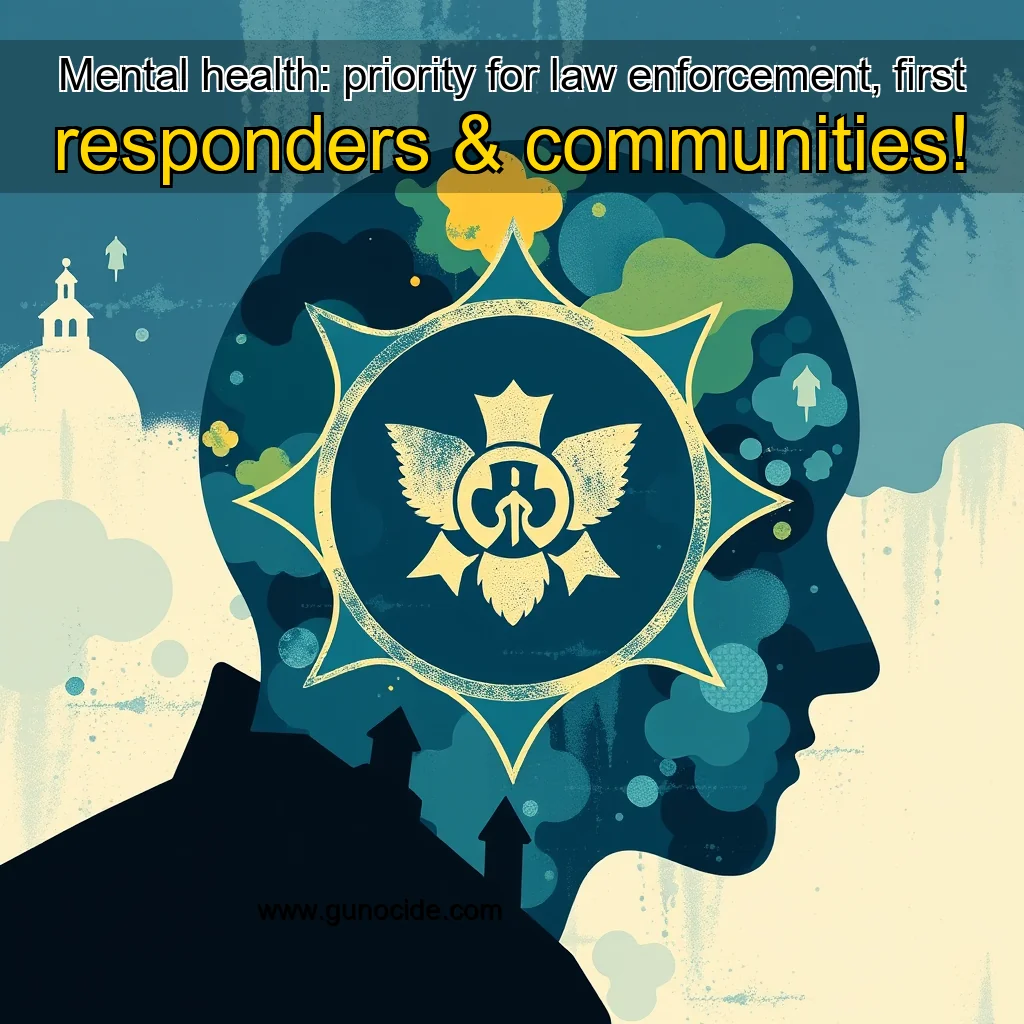
First responders, including law enforcement officers, firefighters, and emergency medical technicians (EMTs), face unique challenges that can impact their mental and physical health. The high-stress nature of their work, coupled with the emotional demands of responding to traumatic events, can lead to burnout, anxiety, and depression. To mitigate these risks, it is essential for first responders to prioritize self-care practices.
Benefits of Self-Care for First Responders
Prioritizing Self-Care
Regular Exercise
Regular exercise is a crucial aspect of self-care for first responders. Physical activity can help reduce stress and anxiety, improve mood, and enhance overall physical health.
Breaking Down the Stigma
The stigma surrounding mental health in first responders and law enforcement is a complex issue that affects not only the individuals but also the entire community. It’s essential to understand the root causes of this stigma and how it can be addressed. The fear of being perceived as weak or vulnerable is a significant barrier to seeking mental health support. The emphasis on physical strength and resilience can lead to a culture of silence and secrecy. The lack of understanding about mental health and its impact on first responders can contribute to the stigma.
The Impact on First Responders
The stigma surrounding mental health can have severe consequences on first responders and law enforcement. It can lead to:
The Changing Face of Law Enforcement
The face of law enforcement is changing rapidly, and it’s essential to adapt our practices and views to address the stigma surrounding mental health. Increased emphasis on mental health support: Law enforcement agencies are starting to recognize the importance of mental health support for first responders.
Supporting First Responders’ Mental Health is Key to Their Well-being and Success.
The Importance of Supporting First Responders’ Mental Health
First responders, including firefighters, police officers, and emergency medical technicians (EMTs), are often the first to arrive at emergency scenes. They are expected to remain calm and composed in the face of traumatic events, making split-second decisions that can have a significant impact on the outcome of a situation.

news is a contributor at Gunocide. We are committed to providing well-researched, accurate, and valuable content to our readers.