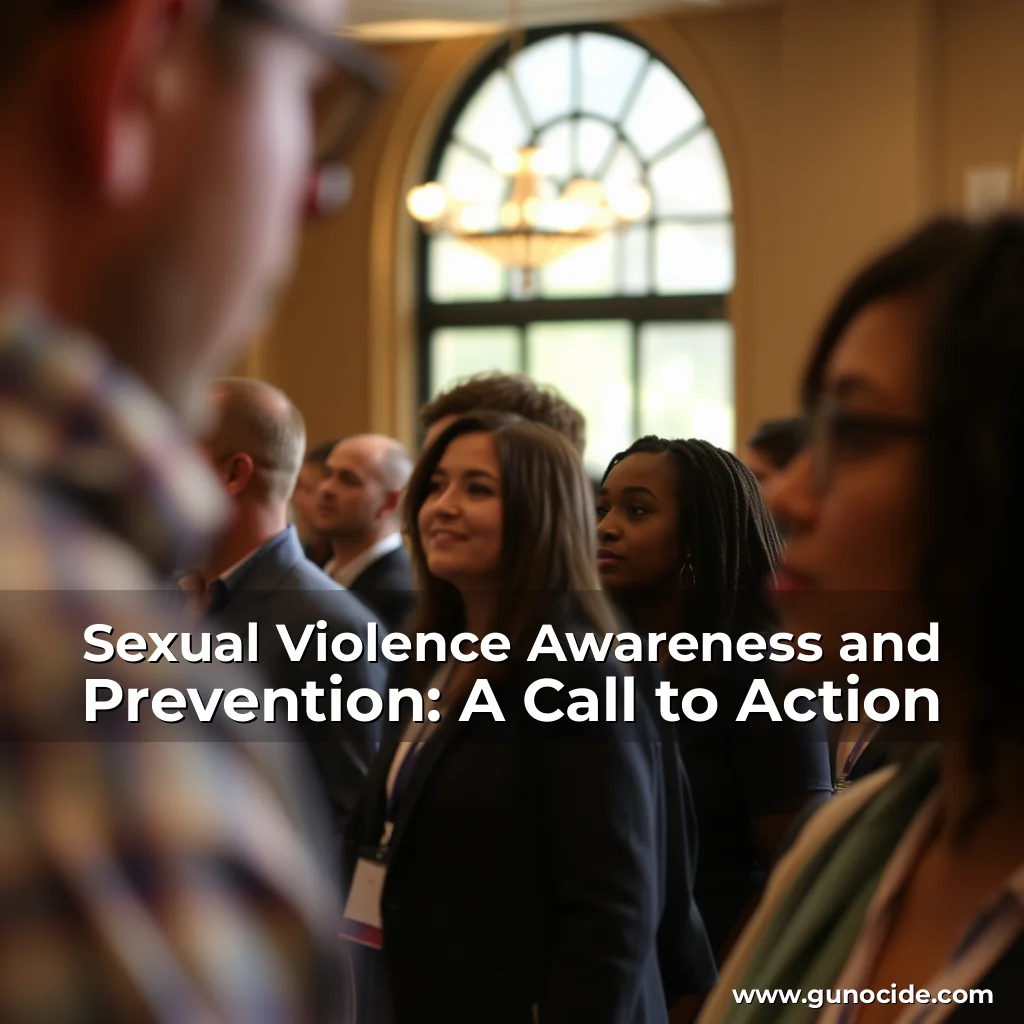
Sexual violence is a pervasive issue that affects individuals from all walks of life, regardless of age, gender, or socioeconomic background. During Sexual Assault Awareness Month, various organizations and advocates are taking a stand to raise awareness and promote prevention. This month-long campaign aims to reduce the stigma surrounding sexual violence and encourage individuals to speak out against it. * Key statistics:
* More than 38% of all University of Minnesota female students reported experiencing sexual assault in their lifetime. * About 15% of male students said they experienced sexual assault in their lifetime. * **Campus Support**
The University of Minnesota’s sexual violence center, the Aurora Center, provides academic advocacy services to support students who have experienced sexual violence. The center offers free, confidential counseling and resources to help students cope with the trauma and focus on their education.
| Service | Description |
|---|---|
| Counseling | Free, confidential counseling to support students struggling to cope with sexual violence. |
| Excused absences | Advocates can help students get excused absences while they heal from a sexually violent experience. |
Chloe Vraney, associate director of the Aurora Center, emphasizes the importance of retention and academic success for students who have experienced sexual violence. “Students often drop out or people often leave their jobs because it’s really hard to continue showing up in the same way that you did before trauma happened,” Vraney said. Advocates stress the need for a supportive environment and resources for survivors. Nicole Matthews, CEO of the Minnesota Indian Women’s Sexual Assault Coalition, highlights the importance of community-based initiatives and the need for support systems to reduce isolation. Nicole Matthews is quoted:
“… we can bring people together to reduce isolation, to support each other, to create a network where they can share resources, where they can be a sounding board for each other and they can learn from each other… That’s really critical.”
Native American women are disproportionately affected by sexual violence. The coalition is hosting a conference to address this issue and provide resources for survivors.
The conference will include professional workshops, a pow-wow to honor survivors, and a self-care night for advocates to relax and support each other. Highlights of the conference:
* Professional workshops to address specific issues faced by Native American women
* A pow-wow to honor survivors and provide a platform for sharing experiences
* A self-care night for advocates to relax and support each other
Sexual violence is defined as any unwanted or coercive sexual behavior, including acts like revenge porn and grooming. Changing the stigma:
Pauna emphasizes the importance of understanding that sexual violence is never the survivor’s fault. “It’s not their fault, it’s the person, the perpetrator, who did that, that’s their fault,” Pauna said. Deconstructing stigma:
According to Matthews, the majority of people who experience sexual violence experience it from someone in their same racial group. She emphasizes that tribal country legal jurisdiction does not usually extend beyond Native land, making prosecution of non-Native perpetrators difficult. Supporting survivors:
Pauna stresses the need for people to listen and support survivors without asking them to justify or explain what happened. “As a support person, it’s not our job to try and investigate and find out specifically what happened,” Pauna said. “Our job is to support them and believe them and just be there for them and ask them what is the best way I can support you and that might change.”
Events throughout April:
The Sexual Violence Center is hosting various events throughout April to raise awareness and promote prevention. These events include:
* A Take Back the Night event on April 30
* Lighting buildings and bridges with teal lightbulbs
* Giving out teal lightbulbs for residences
Conclusion:
Sexual violence awareness and prevention are crucial for creating a society where individuals feel safe and supported. By educating ourselves and others, we can work together to reduce the stigma surrounding sexual violence and promote a culture of respect and consent. As Allison Pauna said, “It’s not their fault, it’s the person, the perpetrator, who did that, that’s their fault.” We must continue to support survivors and advocate for change.