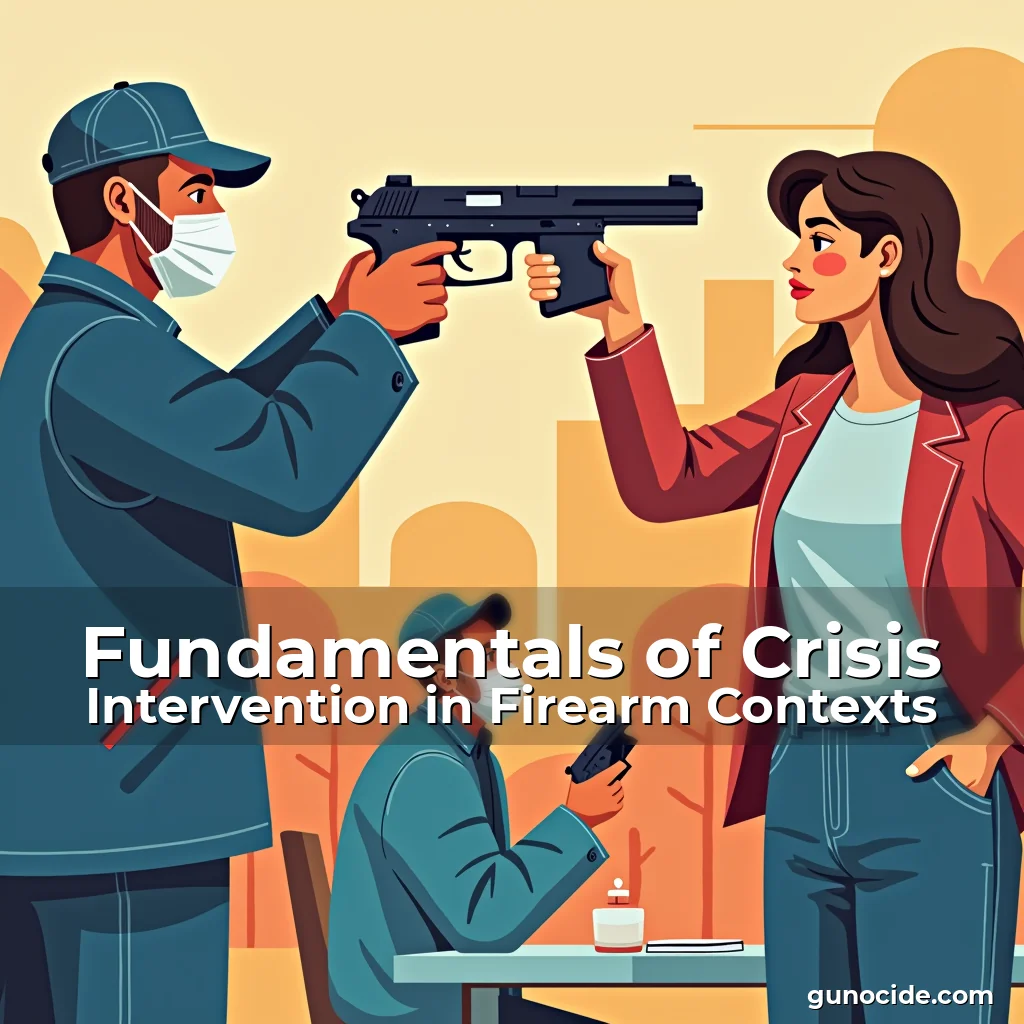
Fundamentals of Crisis Intervention in Firearm Contexts
Crisis intervention involves structured responses to urgent threats involving firearms, focusing on de-escalation techniques and situational awareness. Professionals trained in this field undergo rigorous preparation to handle volatile scenarios effectively.
The primary objective remains saving lives through non-lethal resolution strategies whenever possible. Immediate assessment of risk levels guides decision-making processes in dynamic environments.
- Rapid threat evaluation: Trained responders assess potential dangers using standardized frameworks to determine escalation risks accurately.
- Situational containment: Establishing safe zones around incidents helps prevent further casualties while awaiting law enforcement arrival.
Identifying Early Warning Signs in Firearms Crises
Recognizing precursor behaviors associated with firearm misuse enables timely interventions before escalation occurs. Awareness of warning signals plays a pivotal role in preventive measures.
Common indicators include sudden aggression towards weapons, erratic behavior near firearms storage areas, and uncharacteristic interest in shooting ranges or ammunition purchases.
Differentiating Risk Levels
Experts categorize risk factors based on behavioral patterns observed over time rather than isolated events. Chronic stressors often correlate with increased likelihood of impulsive acts involving guns.
Data shows that individuals exhibiting multiple red flags simultaneously face significantly higher risk profiles compared to single-factor cases.
Immediate Response Protocols for Firearm Emergencies
Established procedures dictate how first responders approach active shooter situations or domestic disputes involving firearms. Coordination among various agencies ensures optimal outcomes.
Emergency personnel follow strict protocols prioritizing life preservation above all else. These include establishing communication channels with suspects and deploying tactical teams strategically.
- Contact local authorities immediately: Dialing emergency services initiates formal response chains crucial for managing complex firearm incidents.
- Secure vulnerable individuals: If feasible, creating physical barriers protects bystanders while waiting for professional assistance arrives.
Long-Term Support Systems Post-Crisis
Comprehensive recovery plans extend beyond initial incident resolution to address psychological impacts on survivors and witnesses alike. Trauma counseling proves essential for lasting healing.
Mental health professionals specializing in post-crisis scenarios offer personalized treatment regimens tailored to individual experiences with firearm-related traumas.
Trauma-Informed Care Practices
Evidence suggests that early access to therapy dramatically improves long-term outcomes for victims of firearm violence. Specialized clinics provide confidential spaces for emotional processing.
Community-based initiatives complement clinical treatments by fostering peer support networks where shared experiences promote collective resilience against future crises.
Preventive Measures Through Community Engagement
Proactive engagement with at-risk populations reduces firearm-related emergencies through education and resource provision. Grassroots efforts cultivate safer environments collectively.
Local organizations conduct workshops teaching responsible gun ownership alongside conflict resolution skills to minimize confrontations leading to violence.
- Youth outreach programs: Educational campaigns targeting younger demographics foster healthy coping mechanisms instead of resorting to weaponization.
- Gun safety certifications: Mandatory training modules increase accountability among firearm owners regarding secure storage practices.
Legal Frameworks Governing Crisis Interventions
Understanding applicable laws ensures lawful execution of crisis mitigation tactics while respecting constitutional rights protections. Legal advisors play vital roles in navigating complex regulations.
Policies vary across jurisdictions; familiarizing oneself with regional statutes prevents unintentional violations during critical moments requiring swift action.
Legal Protections During Emergencies
Certain statutes grant immunity to good-faith actors participating in crisis resolution efforts. Knowing these provisions encourages wider public participation safely.
Consulting with legal experts beforehand equips interveners with clarity about permissible actions during unpredictable firearm-related emergencies.
Technological Innovations Enhancing Crisis Management
Modern technology offers tools improving responsiveness and effectiveness in firearm crisis situations. Advanced surveillance systems enable quicker identification of developing threats.
Drones equipped with thermal imaging assist in locating individuals during search operations without direct confrontation risks. Real-time data sharing enhances coordination efficiency.
- Smartphone applications: Apps notify authorities automatically upon detecting gunfire sounds, accelerating emergency service dispatch timelines.
- Voice recognition software: Analyzes conversations for keywords indicating imminent violent intent, triggering alerts for nearby responders.
Training Programs for Effective Crisis Intervention
Specialized courses prepare participants to manage firearm-related emergencies competently. Certification programs validate acquired expertise through practical assessments.
Hands-on simulations replicate realistic scenarios allowing trainees to practice responses under pressure conditions similar to actual incidents.
- Certified instructor-led sessions: Experienced facilitators guide learners through protocol development and skill refinement exercises.
- Annual recertification mandates: Ensures continued proficiency through updated curriculum reflecting evolving best practices in crisis management.
Conclusion
This comprehensive overview outlines essential aspects of crisis intervention focused on firearm-related emergencies. Implementing these strategies contributes meaningfully to enhancing public safety outcomes.
Engaging actively in training opportunities, advocating for policy improvements, and supporting relevant organizations strengthens communal preparedness against firearm-associated crises.