Breaking Down Barriers to Support
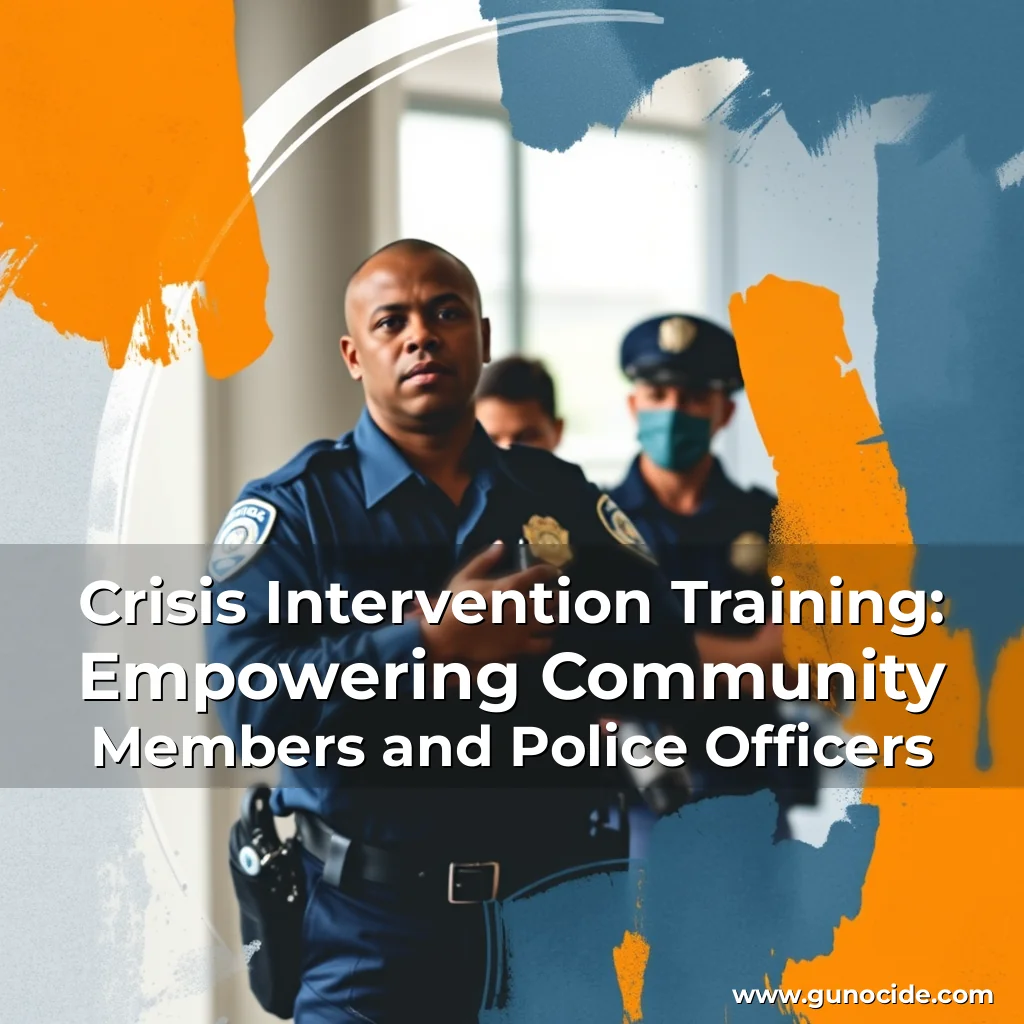
The city of Hamilton has recently taken a significant step towards enhancing its crisis intervention training program, with the introduction of a new curriculum designed to better equip police officers and community members to handle crisis situations. The Mental Health Crisis Response Education and Applied Training Program (MHCR), developed in collaboration with Wilfrid Laurier University, aims to de-escalate crisis situations and provide effective support to individuals experiencing mental illness or situational distress.
- Key to the program is the understanding that crisis situations require a comprehensive approach, incorporating both de-escalation techniques and community resources.
- Developed in partnership with individuals who have experienced a mental health crisis, the MHCR curriculum acknowledges the importance of empathy and cultural sensitivity in crisis intervention.
- Forensic psychologists, Indigenous experts, and clinicians have contributed to the program’s development, ensuring that it is grounded in evidence-based best practices.
The Power of Collaborative Training
The 50th session of crisis intervention training in Hamilton has been a significant milestone, with the introduction of this new curriculum. This training is not only essential for police officers but also for community members who are often the first point of contact for individuals in crisis. The program’s 40-hour duration allows for a comprehensive exploration of the skills and knowledge required to handle crisis situations.
| Training Component | Description |
|---|---|
| De-escalation techniques | Learn how to assess and manage crisis situations, using evidence-based approaches that prioritize the individual’s safety and well-being. |
| Community resources | Discover the range of support services available in Hamilton, including the Crisis Outreach and Support Team (COAST) and other community-based initiatives. |
Empowerment Through Experience
The MHCR program has already proven to be effective in equipping participants with the skills and knowledge necessary to handle crisis situations. Participants have reported feeling empowered and confident in their ability to support individuals in crisis.
“Sergeant Scott Woods, a veteran police officer, has seen firsthand the impact of crisis intervention training. “It’s probably one of our number one calls – dealing with people in crisis,” he said. “The goal is to divert from the hospital and be able to support these people while they’re still living and staying in the community.”
Breaking Down Stigma
The MHCR program aims to break down the stigma surrounding mental illness and crisis intervention, promoting a culture of understanding and empathy. By providing education and training, the program seeks to empower community members to become more supportive and inclusive.
- Community outreach programs, such as COAST, play a vital role in providing accessible and culturally sensitive support to individuals in crisis.
- By engaging with community members and providing education and resources, the MHCR program helps to build trust and promote positive relationships between law enforcement and the community.
Key Benefits of the MHCR Program
The MHCR program offers several key benefits, including:
- Improved crisis intervention skills for police officers and community members
- Enhanced community resources and support services
- Reduced stigma surrounding mental illness and crisis intervention
- Increased empathy and understanding among community members
Conclusion
The introduction of the MHCR program in Hamilton represents a significant step forward in crisis intervention training, empowering community members and police officers to better support individuals in crisis. By promoting a culture of understanding and empathy, the program seeks to break down barriers and provide effective support to those who need it most. As the program continues to evolve and grow, its impact on the community will be a lasting one, ultimately leading to improved outcomes for individuals experiencing a mental health crisis.

news is a contributor at Gunocide. We are committed to providing well-researched, accurate, and valuable content to our readers.